
Ship Construction – Naval Yard – 3D Printable
$4.00
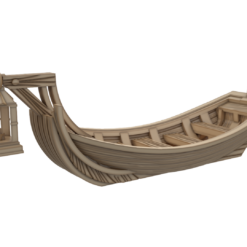
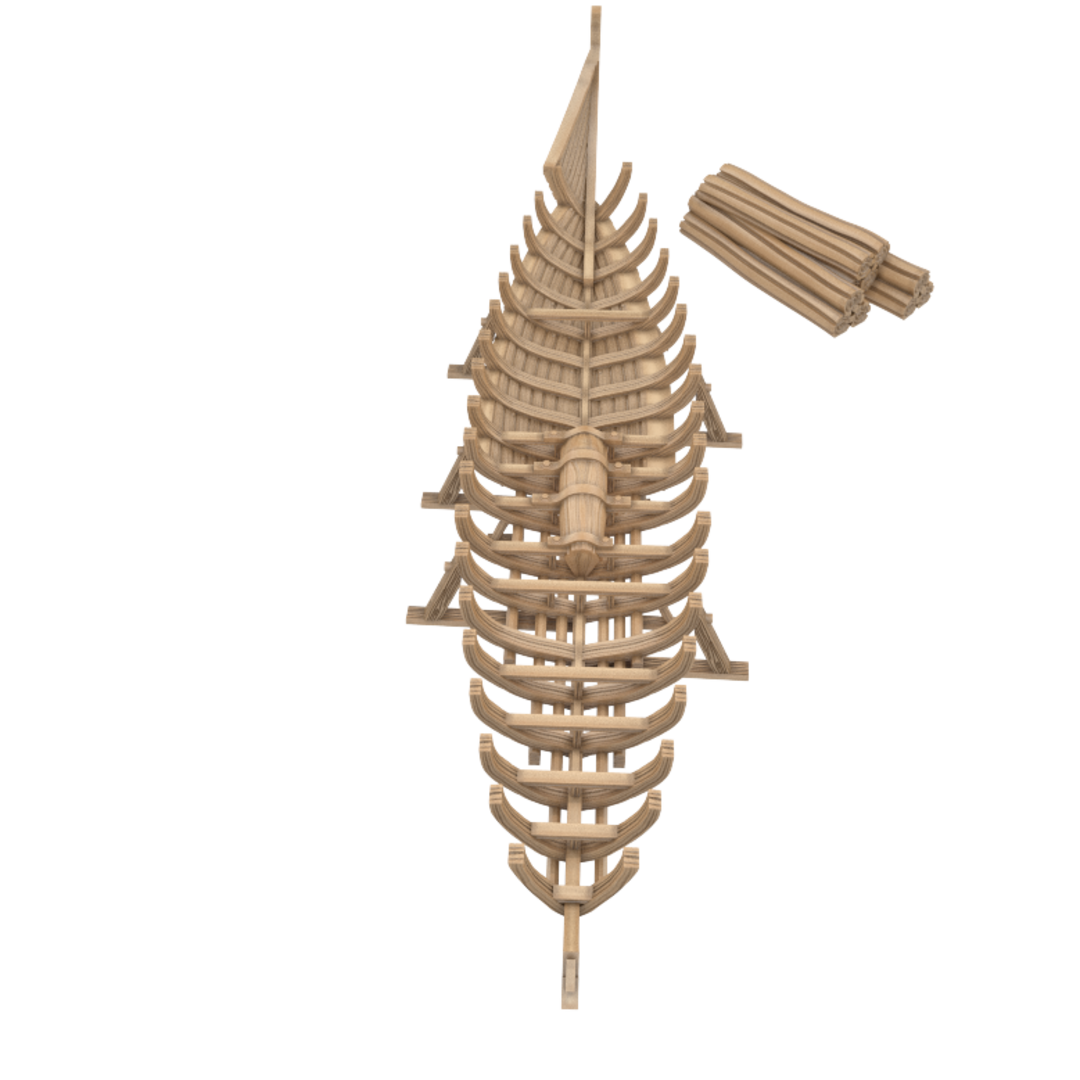
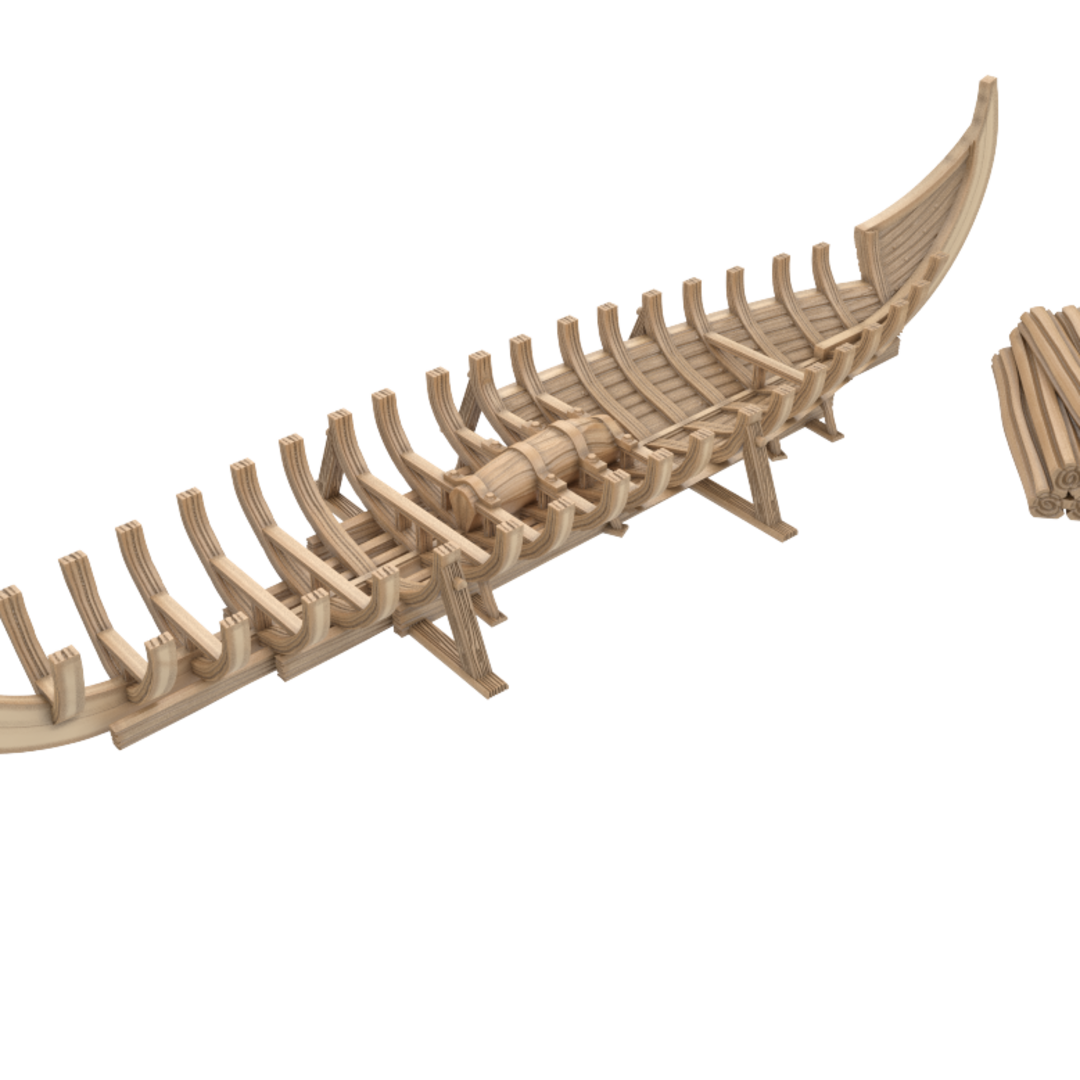
Witness the birth of a legend! This stunning 3D printable model captures a majestic ship in its skeletal form, a promise of future voyages. Every rib and beam is meticulously crafted, bringing unparalleled realism to your tabletop.
Perfect as a central objective for a naval-themed scenario or as immersive scatter terrain in a bustling shipyard, this model invites grand narratives. Your port city will never look the same again, setting the stage for unforgettable quests and epic battles.
This set of STL files allows you to construct the foundational skeleton of a great sailing vessel, a centerpiece for any naval or port-side gaming table. Designed at a 28mm / 32mm scale, the model is perfectly suited for a vast range of wargames and role-playing games. The intricate design, featuring a detailed keel, precisely arrayed ribs, and the beginnings of a proud stern, showcases a masterclass in digital craftsmanship. Included are separate files for piles of raw lumber, allowing you to create a dynamic and authentic construction site. This model is optimized to be printed support-free on FDM printers and will also print with exquisite detail on resin printers.
Historically, the construction of such a vessel was a monumental undertaking, often spanning years and requiring the resources of an entire region. This model reflects the carvel-building technique that came to dominate European shipbuilding from the 15th century onwards, replacing the earlier clinker-built method of Viking longships. With the carvel method, a strong internal skeleton was built first, starting with the keel—the ship’s backbone. Massive curved timbers, often shaped from naturally grown oak, were then attached to form the frames or ‘ribs’. These frames dictated the final shape and structural integrity of the hull. Once the skeleton was complete, planks were laid edge-to-edge over the frame to create a smooth, strong, and watertight hull, which was far better suited for mounting cannons than overlapping clinker planks.
This method enabled the construction of larger, more robust ships like carracks, galleons, and later, ships-of-the-line. These were the vessels that powered the Age of Discovery, facilitated global trade for the great merchant companies, and projected naval power across the oceans. A shipyard was a hive of activity, employing hundreds of specialized artisans: shipwrights, carpenters, sawyers, blacksmiths, and rope makers. For your tabletop, this model is more than just terrain; it’s a narrative engine. It can represent a vital strategic asset to be captured or destroyed, the secret project of a wealthy patron that players must protect, or the setting for a tense encounter with spies trying to steal its revolutionary design.
Related products