
Bobbing Horse – 3D Printable Scatter Terrain
$4.00
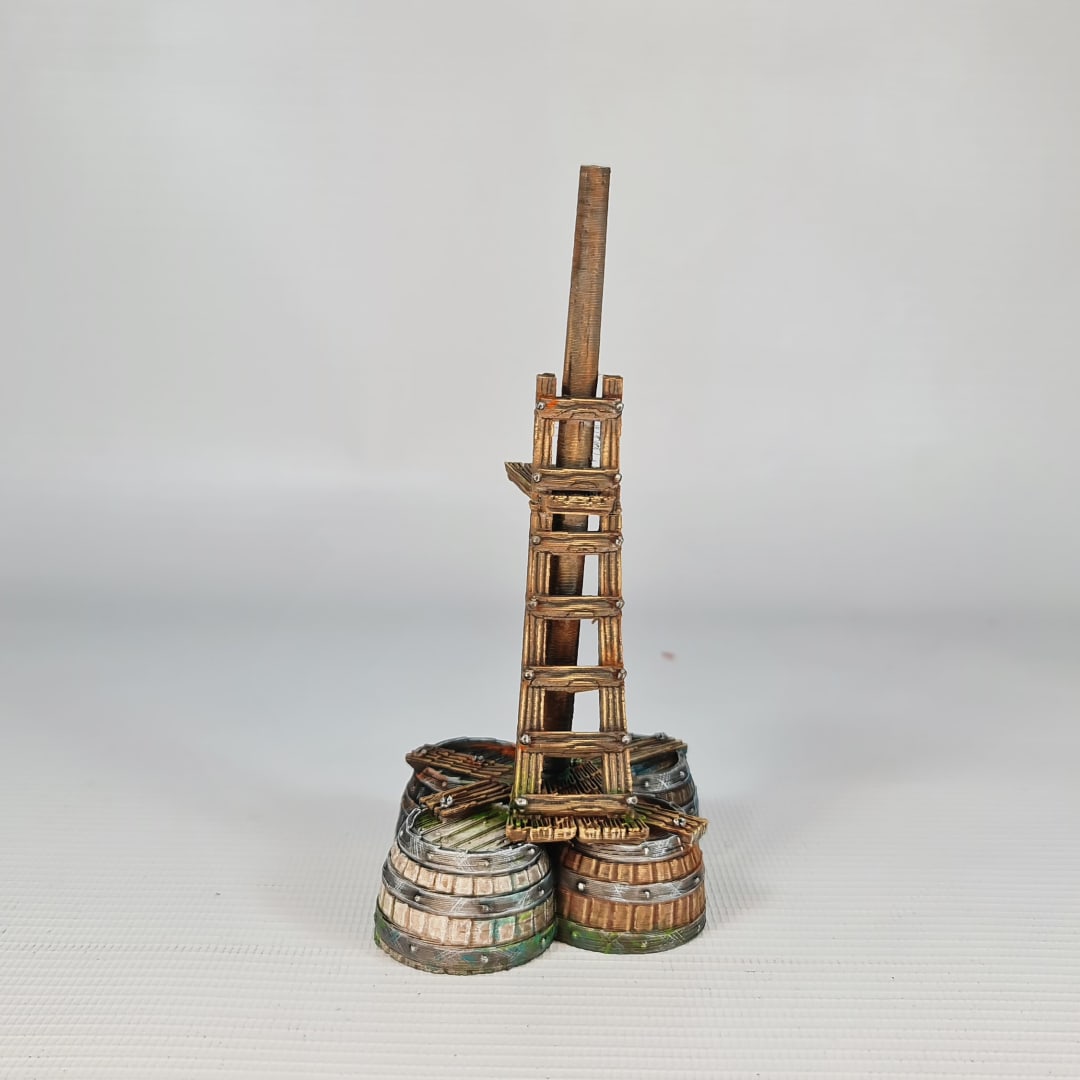
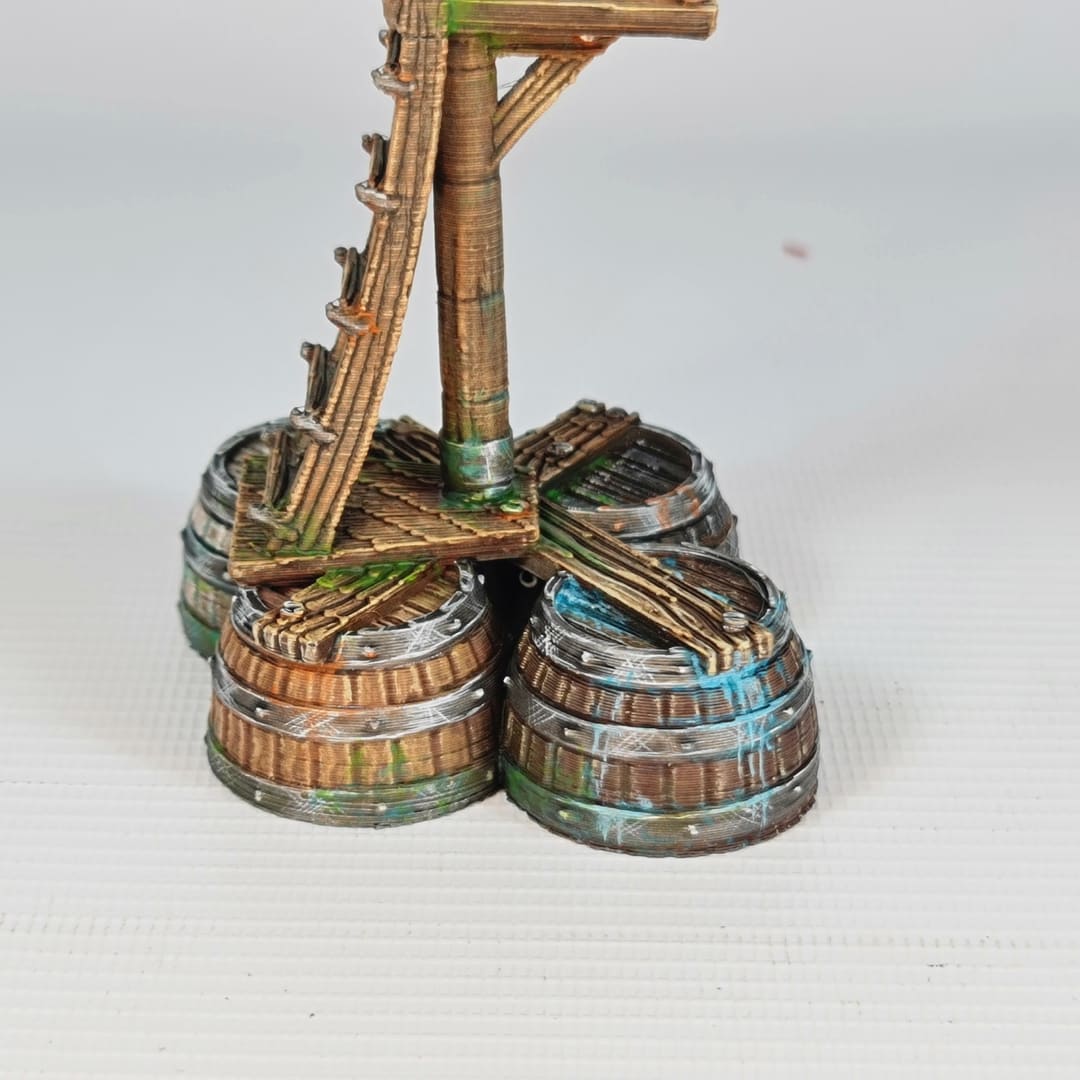
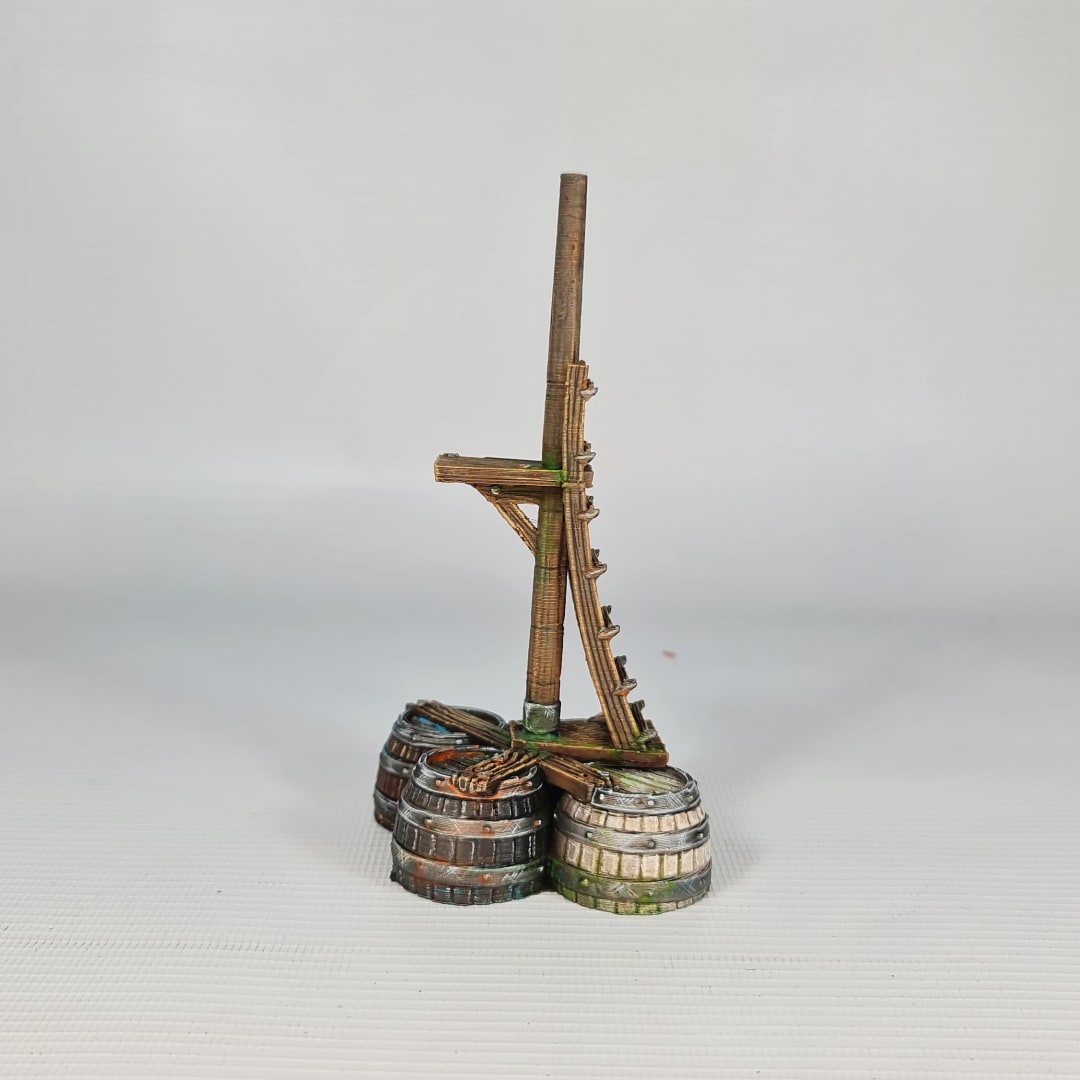
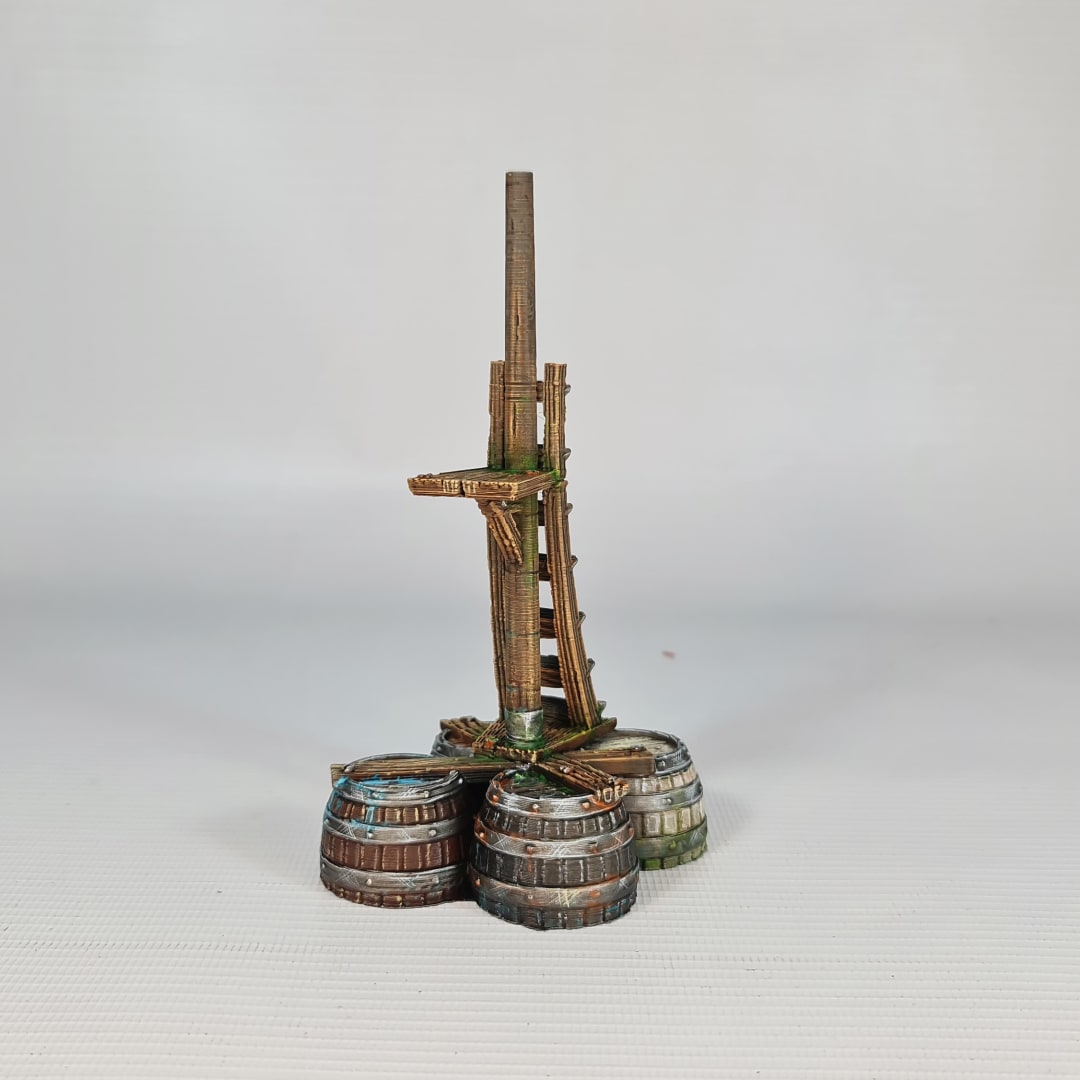
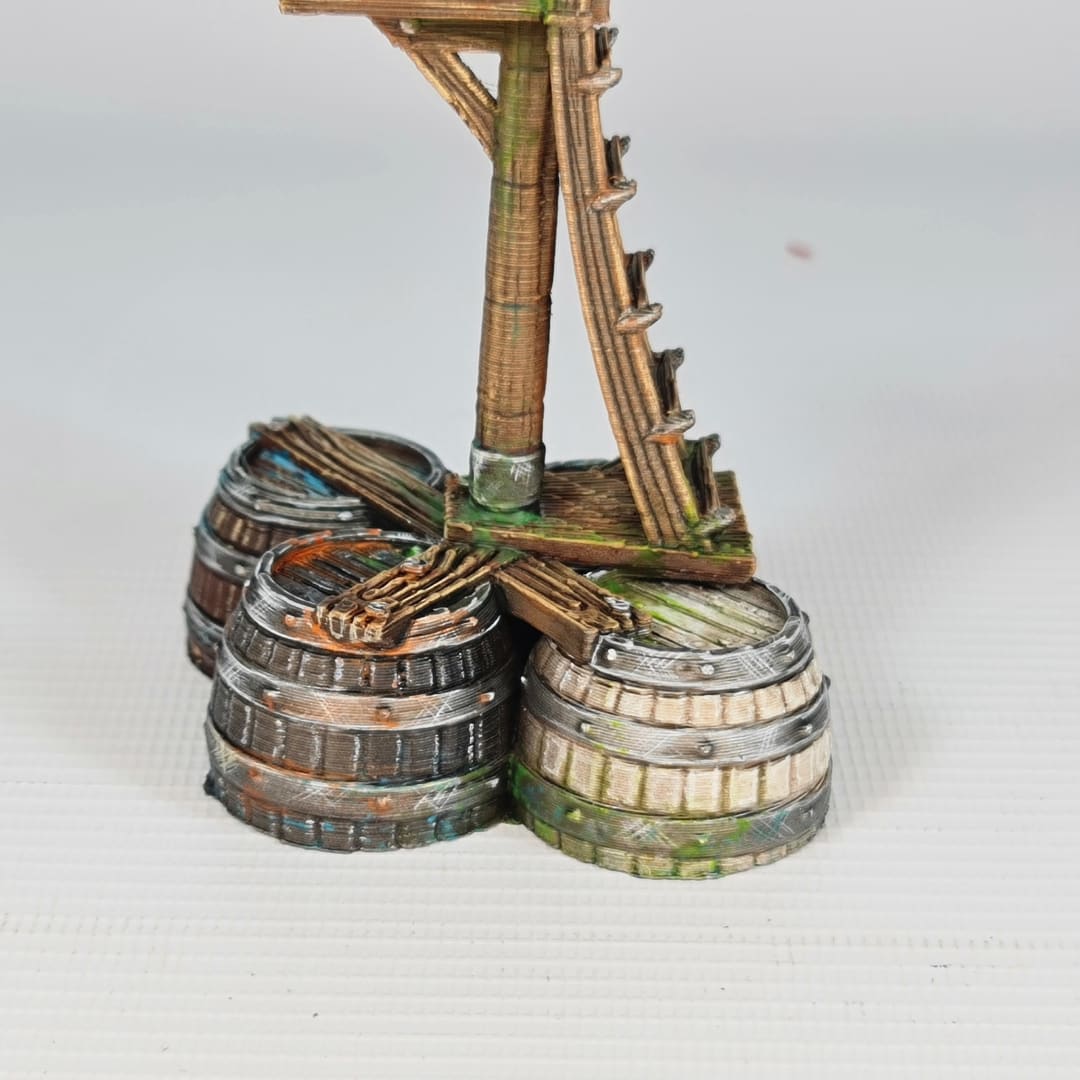
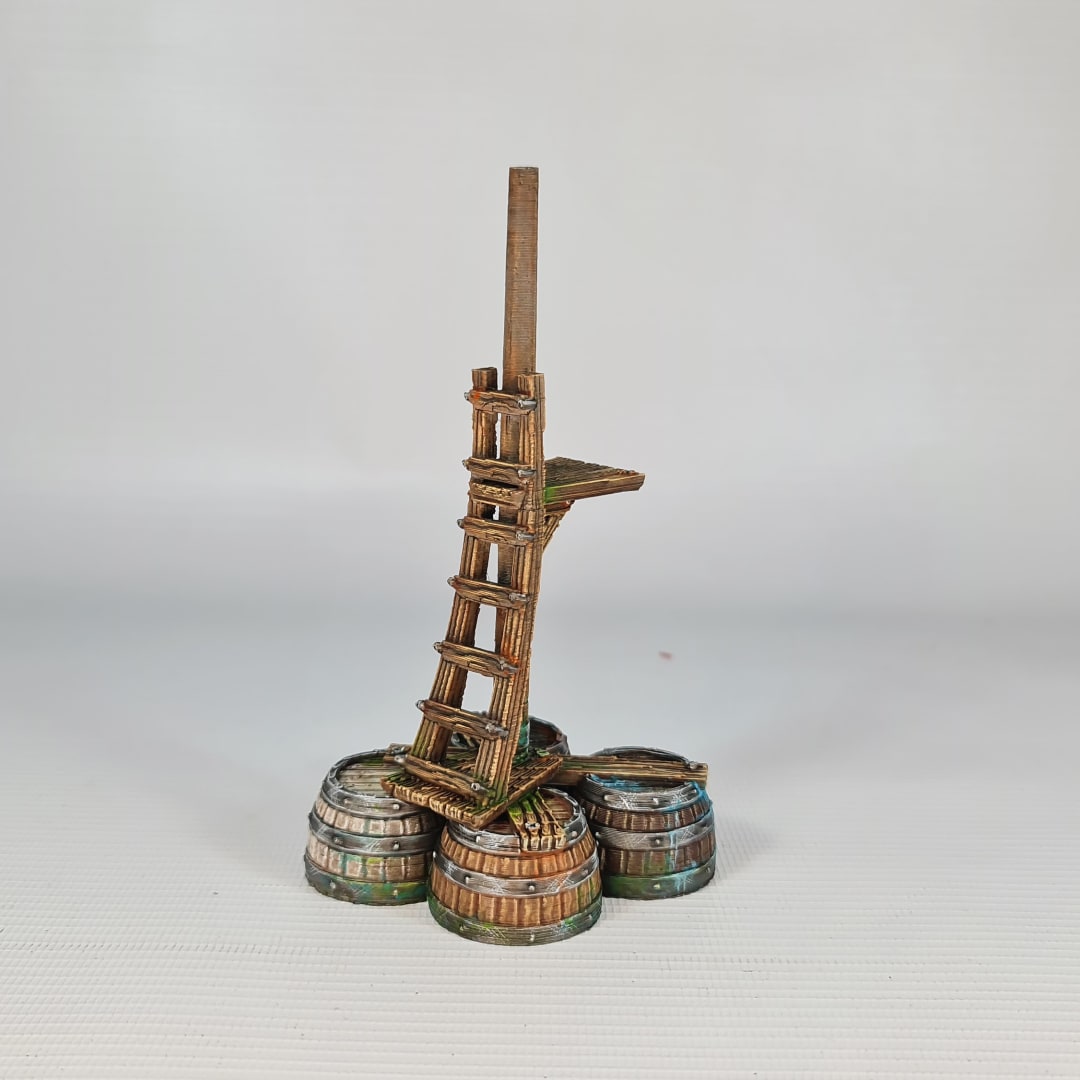
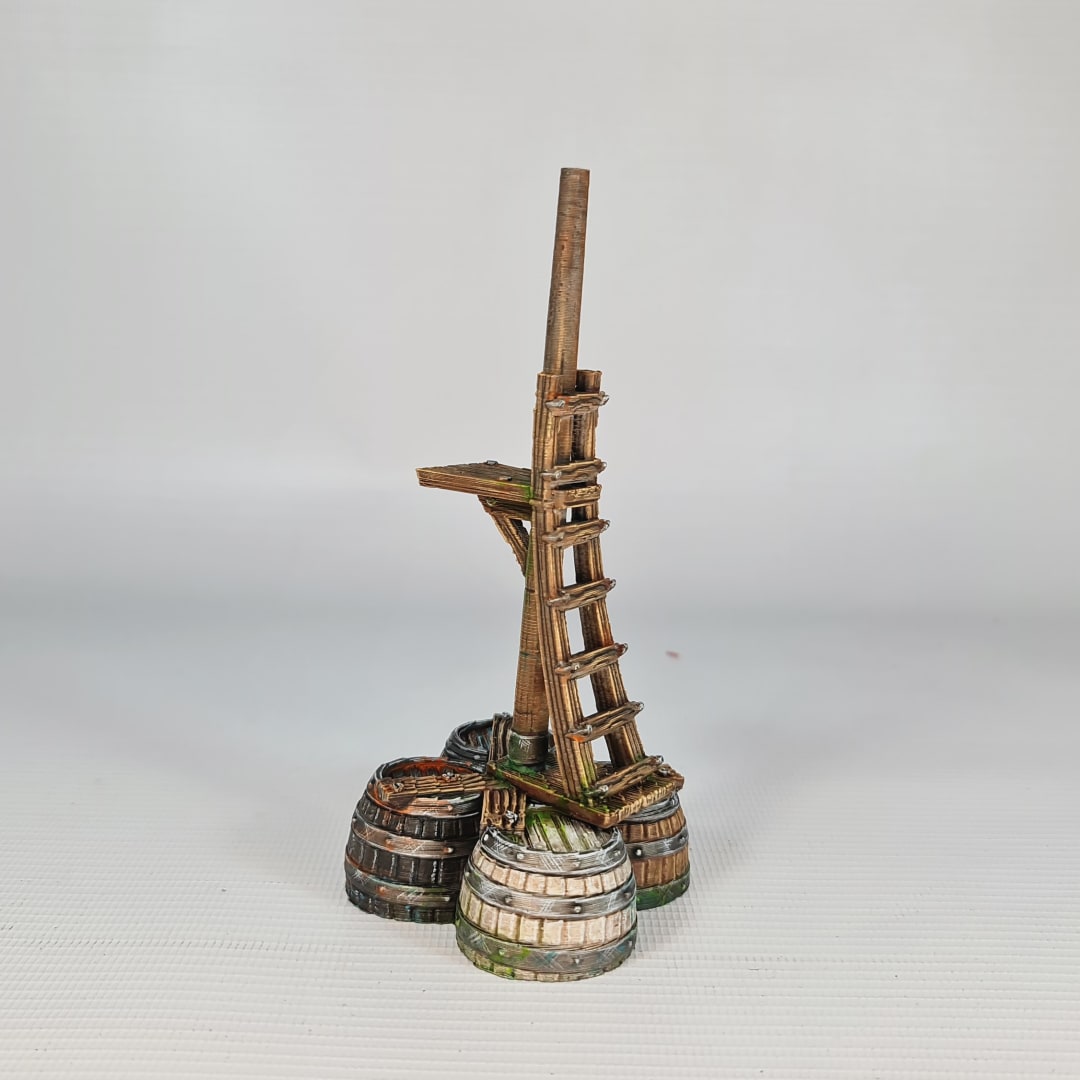
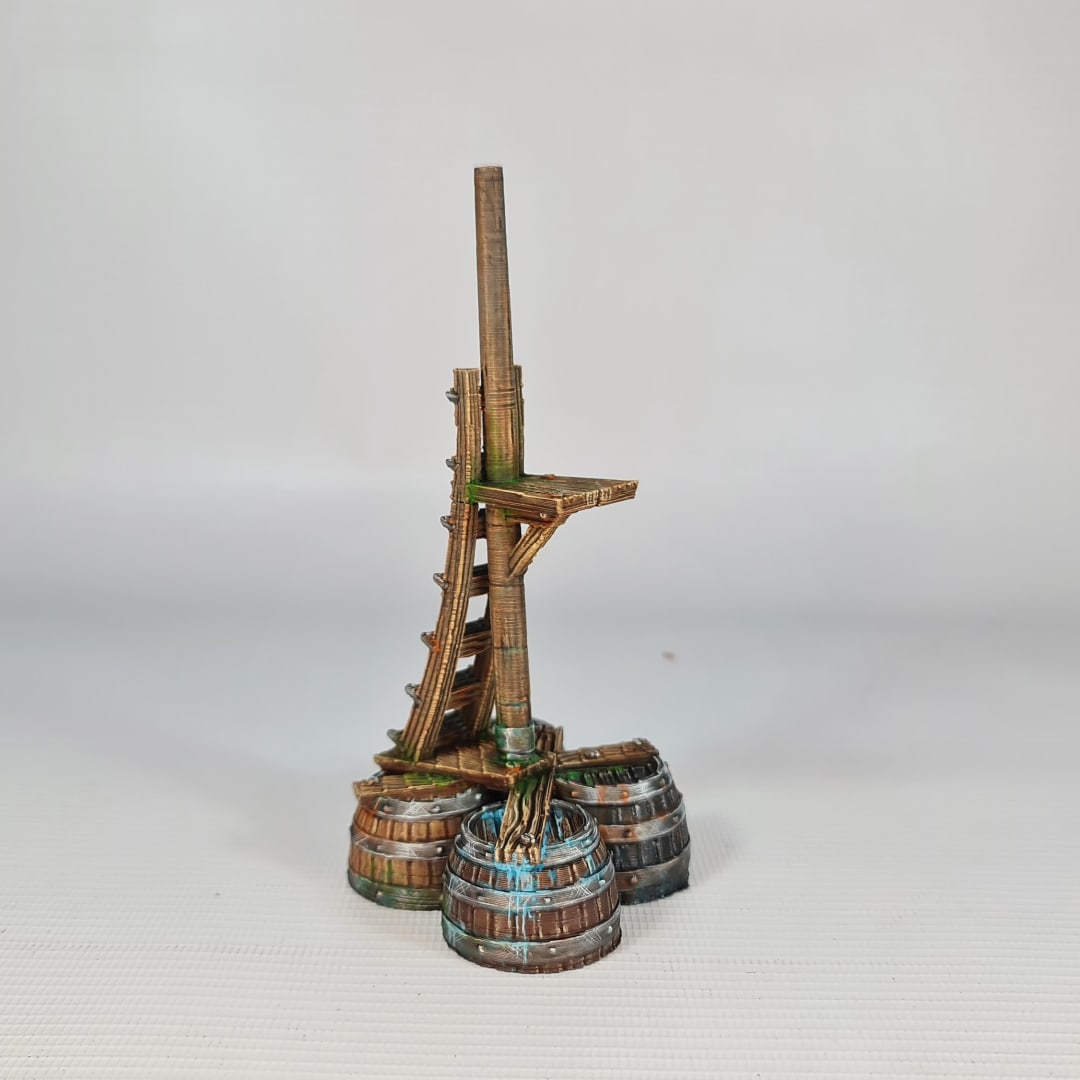
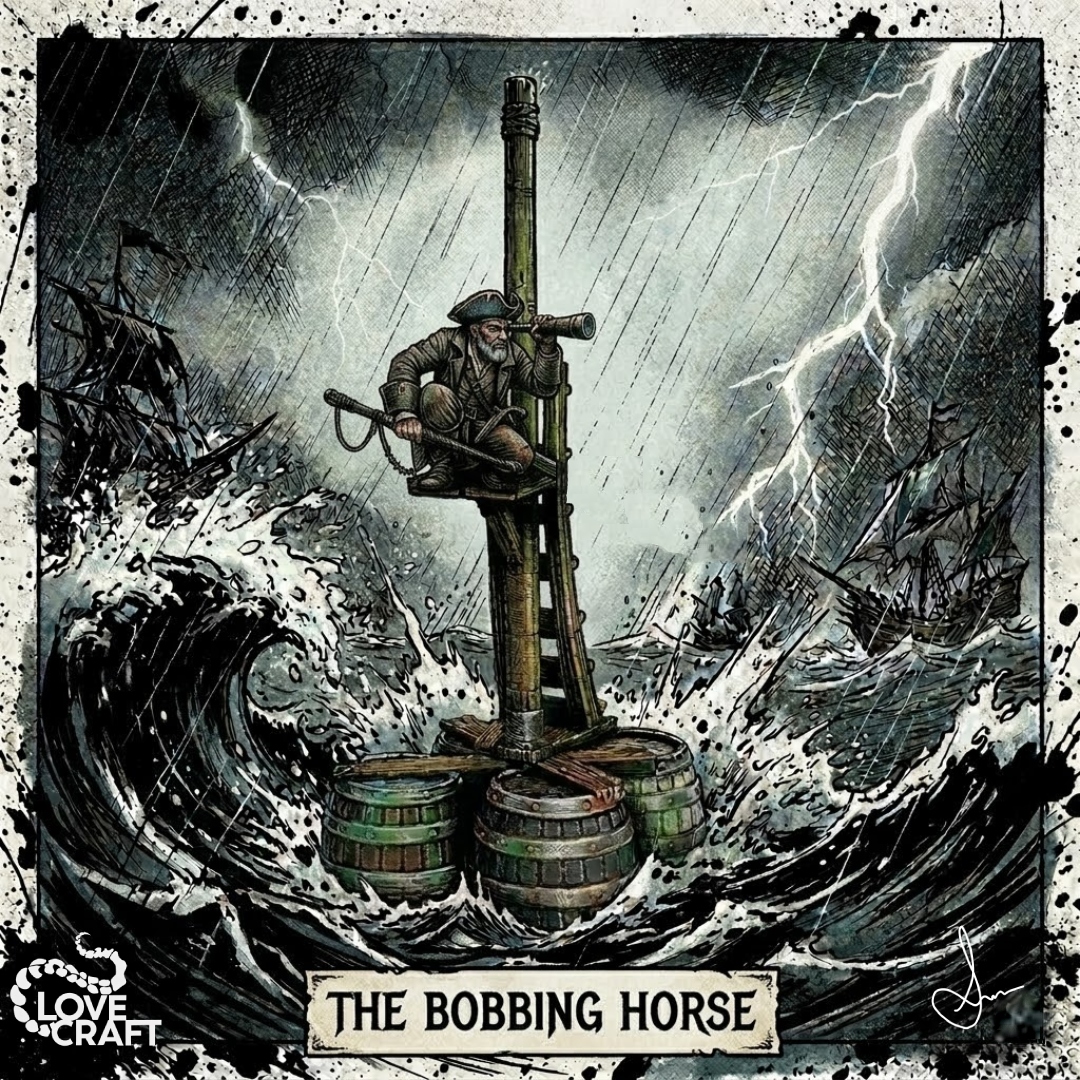
The Bobbing Horse is a 28mm/32mm STL representing an improvised nautical buoy. Inspired by historical “Cask and Spar” navigation aids, this “water horse” uses buoyant barrels to support a vertical lookout mast. Scouts “ride” the buoy to gain a height advantage on the open sea, making it a unique tactical objective for naval or harbor skirmishes. Support-free for FDM and high-detail for resin, it brings authentic maritime ingenuity to your tabletop battlefields.
This digital STL file allows you to 3D print the Bobbing Horse, a highly detailed maritime watchpost for tabletop gaming. Far from a static land structure, this model represents a “water horse”—an improvised buoy designed to bob with the swell while a scout climbs the mast to scan the waves. The tripod of reinforced barrels provides the buoyancy needed to support a vertical mast and observation platform, creating a “crow’s nest” in the middle of the open water.
The model features hyper-realistic textures, from the salt-worn wood grain of the mast to the rusted iron hoops of the watertight barrels. Expertly scaled for 28mm and 32mm miniatures, it is a perfect addition to any naval skirmish, pirate raid, or harbor defense scenario.
Tactical & Technical Features:
-
Support-Free Printing: Designed specifically for FDM printers to print without supports, saving you time and material.
-
Resin Optimization: The fine details of the rope lashings and wood textures make it a stunning centerpiece for high-resolution Resin prints.
-
Gameplay Utility: In-game, the Bobbing Horse provides a unique high-vantage point for aquatic maps. It serves as a tactical objective or a sniper perch for “maritime” units, forcing players to account for verticality even on the water.
The Historical “Bobbing” Legacy
The Bobbing Horse is inspired by the ingenious use of Cask Buoys (or tonnen), which date back to the 14th century in the North Sea. These were essentially hollow wooden barrels chained to heavy stones to mark safe passage.
In naval warfare and early harbor defense, engineers realized that by lashing a vertical timber—a Spar—to these buoyant barrels, they could create a stable, floating mast. These were used not just for marking hazards, but as:
-
Improvised Lookouts: During coastal blockades or sieges, “riding the spar” allowed scouts to spot the topsails of an enemy fleet long before they were visible from the low deck of a ship.
-
Floating Beacons: In fog-heavy regions, a brave sailor might be stationed on such a “horse” with a lantern or a bell, serving as a human signal-buoy to guide their fleet through treacherous shoals.
This piece captures that desperate, clever engineering—turning humble cargo containers into a life-saving “eye on the horizon.”