

Sake Brewery Set – Feudal Japan STL Terrain & Miniatures – 3D Printable
$26.00
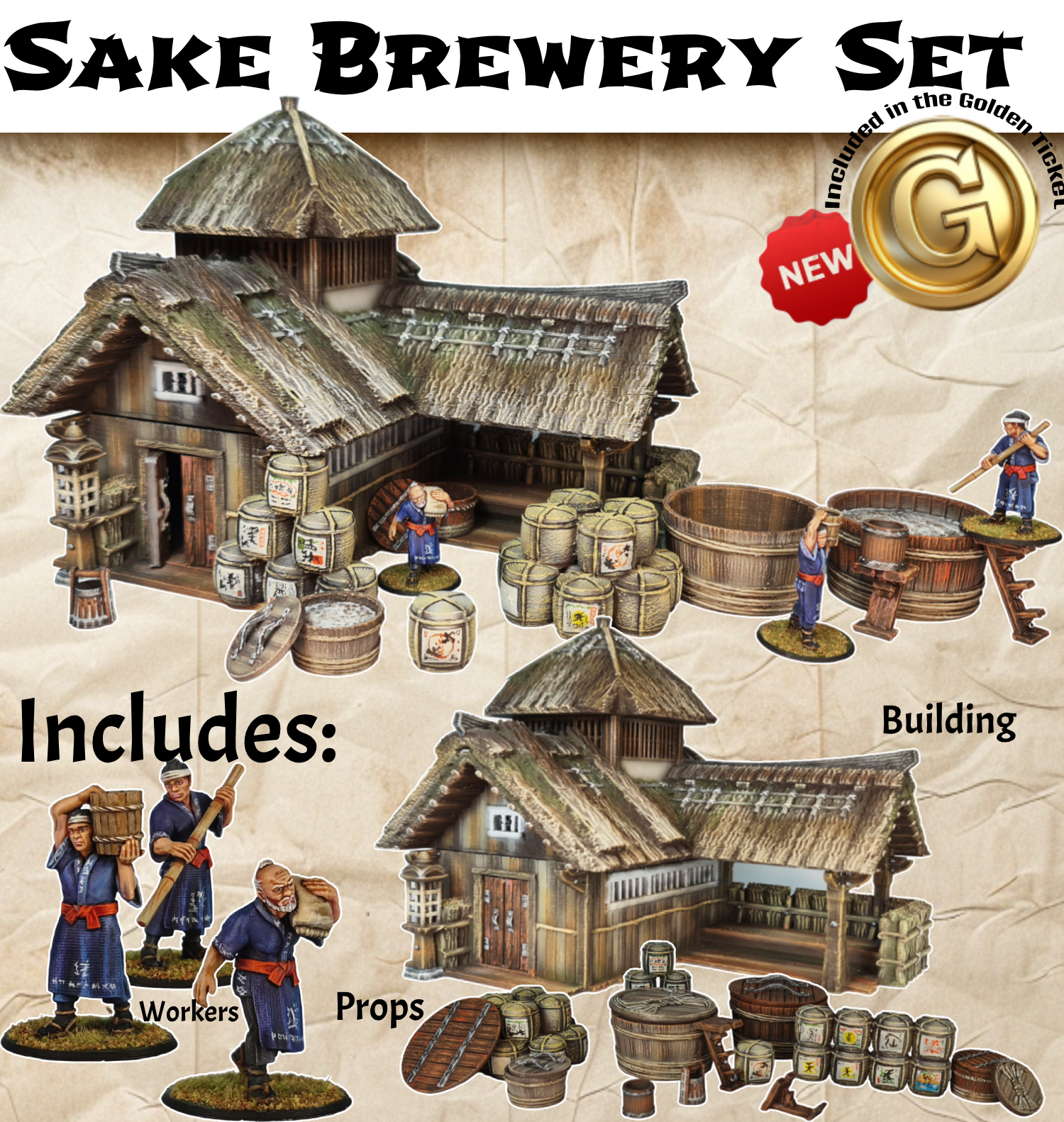
Immerse your tabletop in the heart of feudal Japan with the complete Sake Brewery Set. This exquisitely crafted collection features a traditional brewery building, dedicated worker miniatures, and an array of authentic props. Perfect for adding unparalleled depth and narrative to your historical wargames and fantasy RPG adventures.
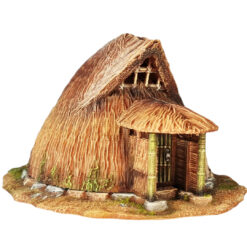
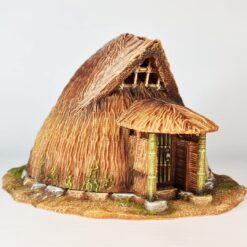
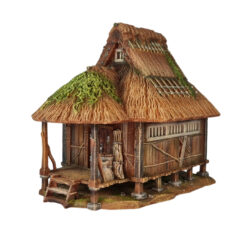
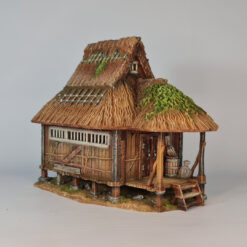
Craft a scene of industry and tradition with the Iain Lovecraft Sake Brewery Set, a comprehensive collection of STL files designed for unparalleled realism on your gaming table. Scaled for 28mm and 32mm wargaming, this set brings a vital piece of Japanese life to your scenarios. The main brewery building is a masterpiece of design, optimized for support-free FDM printing, featuring incredible wood grain textures, a detailed thatched roof, and an open layout that provides both stunning aesthetics and practical gameplay utility. Use it as a strategic objective, a line-of-sight blocker, or the central hub of a bustling village.
The set also includes finely detailed miniatures of brewery workers and a wealth of props, all perfectly suited for high-resolution resin printing. These elements, from large fermentation vats and transportable barrels to smaller tools of the trade, allow you to create a dynamic and lived-in environment. Populate your brewery, set up dioramas, or use the props as interactive objective markers in your RPGs.
The history of sake, or ‘nihonshu’ (日本酒), is deeply interwoven with the culture of Japan, spanning over two millennia. Its origins are ancient, with early methods involving entire villages chewing rice and nuts to initiate fermentation. However, the process was revolutionized with the introduction of kōji mold, a discovery that allowed for the conversion of rice starch into sugar, leading to higher alcohol content and more sophisticated flavors. By the Nara period (710-794), sake production was state-managed, but it was during the Heian period (794-1185) that temples and shrines became the primary centers for brewing, refining techniques that are still influential today. The building in this set reflects the architectural style of a ‘sakagura’ (sake brewery) from the Edo period (1603-1868), a time when brewing became a major commercial enterprise. During this era, techniques were perfected, and breweries like the ones in Nada and Fushimi gained nationwide fame. The large wooden vats (‘oke’) included in this set were critical for the ‘shikomi’ or fermentation mash, while the smaller barrels (‘taru’), often made from cedarwood, were used for aging and transportation, imparting their own distinct aroma to the final product. The workers, or ‘kurabito’, under the supervision of a master brewer known as a ‘tōji’, would have followed a meticulous process of rice polishing, washing, steaming, and fermentation, often working through the cold winter months, believed to be the ideal time for sake production. This STL set allows you to recreate not just a building, but a piece of this rich cultural and industrial heritage on your tabletop.
Related products