Fantasy Tavern – 3D Printable Scenery STL
$8.00
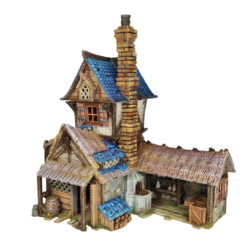
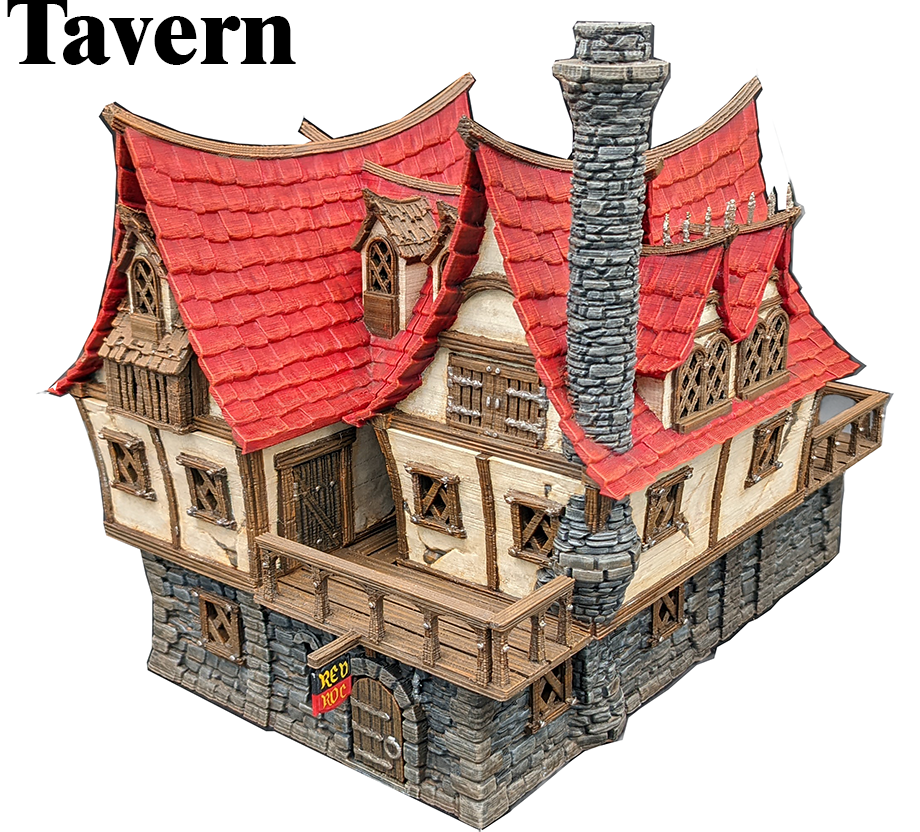
Every epic adventure begins in a tavern! This highly detailed model is the perfect centerpiece for your gaming table, a place where quests are found, alliances are forged, and brawls inevitably erupt.
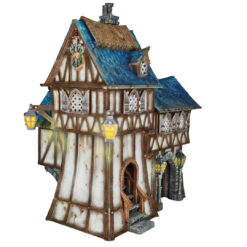
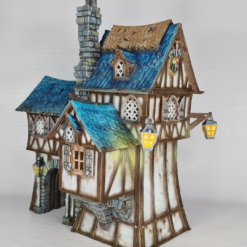
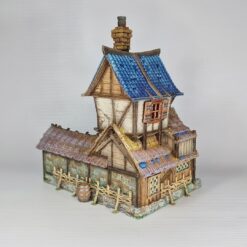
With its sturdy stone foundation, rustic timber frames, and a towering chimney promising a warm hearth, this tavern brings an immersive, tangible reality to your fantasy world. Print this iconic building and let the stories unfold, creating unforgettable moments in your campaigns.
This 3D printable STL file brings you a classic fantasy tavern, an essential piece for any tabletop RPG or wargaming session. Scaled for 28mm to 32mm miniatures, this building is a substantial and impressive addition to your scenery collection. The model has been meticulously designed to be support-free and optimized for FDM printers, ensuring a smooth and successful print. It is also perfectly suitable for resin printing for those seeking the highest level of detail. The tavern features incredible textures throughout, from the rough-hewn stone of the ground floor and chimney to the weathered wood grain of the timbers and the individual tiles on its distinctive curved roof. With multiple levels, balconies, and numerous windows, this tavern offers immense tactical depth for skirmish games, providing cover and vantage points for your miniatures. The interior is accessible, allowing for dynamic indoor encounters. Whether it’s the bustling hub of a city or a desolate roadside inn, this model provides the perfect backdrop for countless scenarios.
Historically, taverns and inns were the vibrant heart of medieval and early modern European society. Far more than just places to drink, they were crucial hubs of communication, commerce, and community. In a world without widespread literacy or mass media, the tavern was where news from afar was shared, royal proclamations were read, and local gossip was exchanged. They served as lodgings for weary travelers, merchants, and pilgrims, offering a safe refuge from the dangers of the road. These establishments were often the first and most prominent buildings a visitor would see upon entering a town. Their architecture, like the half-timbered style reflected in this model, was common in regions like England, Germany, and France from the medieval period onward. The ground floor was typically built of stone for stability and fire resistance, while the upper floors used timber framing with wattle-and-daub or brick infill. This ‘jettied’ construction, where upper floors projected over the one below, was a clever way to maximize interior space on narrow city plots. The tavern was a social equalizer, where people from all walks of life—from humble peasants to wealthy merchants and even nobility—could mingle, conduct business, or simply enjoy a tankard of ale. They were the stage for everything from business deals and political intrigue to traveling entertainers and recruiting sergeants, making them the natural starting point for any great adventure.